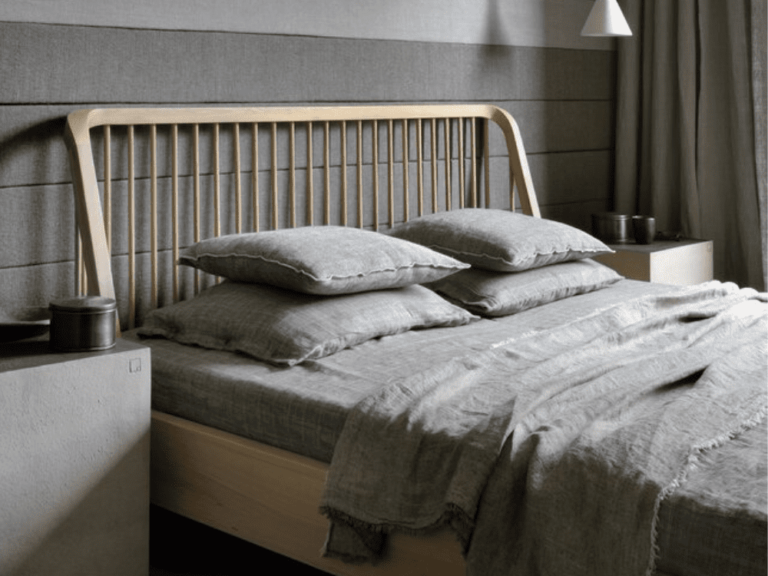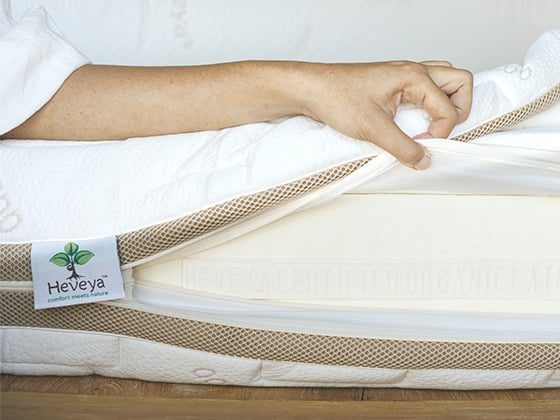
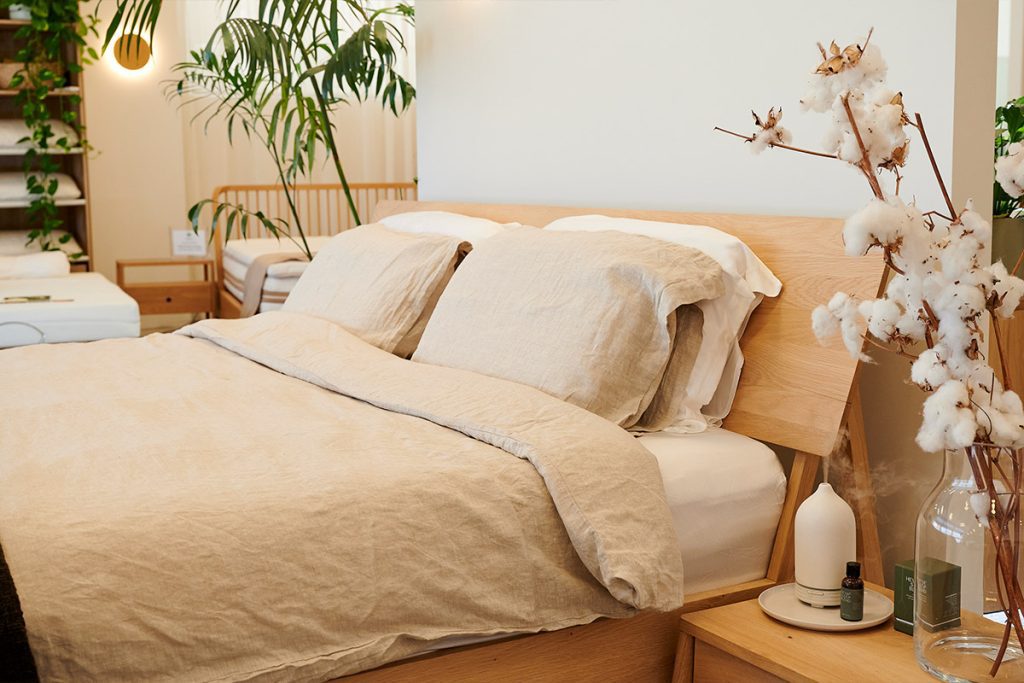

With the average person requiring eight hours sleep a night, we spend approximately one third of our lives in bed. But there is so much noise about discounts and differing beds and mattress properties that the consumer either jumps in and hopes for the best or tries to work out for themselves a path through the thickets of promises and prices to find the bed of their dreams.
Recent Articles
Discover the Benefits of an Organic Cot Mattress: Pure Comfort for Growing Babies
The Best Guide to Choosing a Caravan Mattress Topper
For many Australians, life on the road is more than just travel—it’s a lifestyle. But while the freedom of a caravan adventure is exhilarating, sleep quality often suffers due to compact, uncomfortable caravan mattresses. That’s where a well-chosen caravan mattress topper can make all the difference.
As a leading voice in natural, ergonomic bedding, European Bedding helps you understand the best materials, benefits, and considerations when choosing the right mattress topper for a caravan. This guide explores all the options—highlighting why latex stands out for comfort, sustainability, and customisability.
Caravan beds are rarely as comfortable as home beds. A topper helps bridge that gap by adding an extra layer of cushioning and support. Here are the key benefits:
Comfort enhancement: Smooths out uneven or overly firm caravan mattresses
Spinal support: Promotes better alignment and reduces pressure points
Thermal regulation: Adds insulation in winter and breathability in summer
Hygiene: Acts as a barrier against moisture, dust mites, and wear
Custom fit: Can be tailored to non-standard caravan bed shapes and sizes
Whether you’re heading up the coast or deep into the outback, a high-quality caravan mattress topper turns your sleeping space into a haven of rest.
Not all toppers are created equal. The material determines comfort, longevity, and health impact. Here are the most common types:
Choosing the right cot mattress is one of the most important decisions you’ll make for your baby’s early sleep environment. At European Bedding, we specialise in natural, breathable, and ergonomic sleep systems — including the Heveya® Organic Latex Cot Mattress, designed to support your baby’s development with safe, toxin-free materials.
In this guide, we’ll explore what makes a quality cot mattress, how to choose the best option for your baby, and answer common questions about sizing, lifespan, and safety.
The mattress should provide firm, even support while being free from harmful chemicals. Key features to consider include:
Natural Materials: Opt for mattresses made from organic latex or natural fibres to ensure breathability and reduce exposure to synthetic chemicals.
Firmness: A firm mattress supports your baby’s developing spine and reduces the risk of suffocation.
Breathability: Materials like organic latex promote airflow, helping to regulate your baby’s temperature during sleep.
Hypoallergenic Properties: Natural materials are resistant to dust mites and mould, which is beneficial for babies with allergies.
Compliance: In Australia, cot mattresses should comply with AS/NZS 8811.1:2013, which outlines firmness testing methods to ensure safe sleep surfaces.
In Australia, the standard cot mattress size is 130 cm x 69 cm, with a tolerance of ±2 cm. While this size fits most standard cots and ensures a snug, safe fit, we also offer custom-sized mattresses crafted from organic latex to accommodate non-standard or heirloom cots. Always measure your cot and consult the specifications before purchasing to ensure optimal compatibility.
How Natural Latex Mattresses Are Made | Natural & Organic Mattress Guide – European Bedding
Natural latex mattresses are becoming a popular choice in Australia for those seeking a sustainable mattress option that’s breathable, durable, and free from harmful chemicals.
They’re loved for being durable, breathable, and naturally hypoallergenic. Plus, they’re a great option for those who want to avoid synthetic materials and harmful chemicals.
Unlike synthetic foam mattresses, natural latex mattresses come from a renewable source—rubber tree sap. They offer a supportive, responsive feel that adapts to your body, helping to relieve pressure points and improve spinal alignment. They’re also built to last, often outlasting traditional mattresses by several years.
In this article, we’ll explain how natural latex mattresses are made, what certifications to look for when buying one in Australia, and why choosing a high-quality brand like Heveya® can make all the difference.
Every natural latex mattress starts with the Hevea brasiliensis tree, commonly known as the rubber tree. To collect the latex, skilled farmers carefully tap into the tree’s bark. This involves shaving away a very thin layer—about 0.84 centimetres deep—just enough to release the sap without damaging the tree’s health.
Tapping the tree is a delicate process. Done correctly, it doesn’t harm the tree, allowing it to continue producing latex for many years. In fact, a single rubber tree can yield latex for up to 20 to 30 years, making it one of the most sustainable natural materials used in mattress production.
Harvesting typically happens at night or early in the morning. Cooler temperatures prevent the latex from coagulating too quickly, helping farmers collect a cleaner, fresher product.
Each tree produces only a small amount of latex per tapping—around 15 to 25 grams. To create just one queen-sized natural latex mattress, the sap from approximately 12 trees over one week is needed. It’s a slow, careful process, but it’s what gives natural latex its exceptional quality and eco-friendly reputation.
Most of the world’s latex comes from tropical regions like Thailand, Sri Lanka, Indonesia, Vietnam, and Malaysia. These areas provide the warm, humid climate that rubber trees need to thrive naturally, without intensive farming practices.
The Best Mattress for Lower Back Pain (+ 5 Tips to Choose the Right One)
When it comes to choosing the best mattress for lower back pain, finding the right option can truly determine whether you wake up feeling refreshed or in pain. At European Bedding, we’re all about premium natural latex mattresses that support healthy spinal alignment, ease pressure points, and improve your sleep. With our years of hands-on experience and thorough research, we speak from genuine expertise—not just fancy marketing spiel.
Whether you’re looking for the best beds for back pain or wondering if a firm mattress for back pain might be the ideal fit, we’ve got you covered. We’ll walk you through why lower back pain happens, how mattress firmness fits into the picture, and which option might help you find the most relief.
Waking up with persistent lower back pain can be frustrating, and while medical conditions like sciatica or arthritis might be contributing factors, your mattress could also be the problem. Here’s why:
- Lack of proper support – A sagging or unsupportive mattress can misalign your spine.
- Too firm or too soft – A mattress that’s too firm may not contour properly, while one that’s too soft can cause you to sink in, throwing your spine out of alignment.
- Old or worn-out mattress – If your mattress is over 7-10 years old, its support system has likely deteriorated.
- Incompatible material – Some mattress materials, like memory foam, can lose their shape over time, leading to uneven support.
Since you spend one-third of your life sleeping, having the wrong mattress can lead to chronic pain, restless nights, and overall poor health.
Finding The Best Mattress for Bad Back Australia Offers
If you’re looking for the best mattress for bad back Australia offers, European Bedding is here to help. Many people don’t realise just how much their mattress can affect their sleep quality and contribute to persistent back pain. If you’re waking up sore, feeling stiff throughout the day, or constantly tossing and turning at night, there’s a good chance your bed isn’t giving you the support you need.
In this guide, we’ll explore why a supportive mattress is so crucial for preventing and alleviating back pain, and show you why a high-quality natural latex mattress often stands out as one of the best solutions for long-term comfort and relief.
Before choosing the best mattress for bad back relief, it’s essential to understand the type and location of your pain.
- Chronic pain: Chronic pain is persistent, often stemming from underlying conditions like sciatica or degenerative discs, and can be exacerbated by poor posture or inadequate mattress support. These long-term issues require a bed that consistently keeps the spine aligned and relieves pressure points. Because latex mattresses maintain their shape well over time, they provide reliable, uniform support—an important factor in reducing chronic discomfort.
- Occasional pain: Occasional back pain can flare up due to factors like physical strain, stress, or even temporary sleeping positions. In these cases, you need enough cushioning to soothe aches and gentle responsiveness to adapt to your movements. Latex offers a balanced feel—contouring just enough for comfort without letting you sink too deeply—making it a good match for sleepers dealing with intermittent back issues.
The location of your pain often dictates the level and type of support you’ll need:
Lower back pain (lumbar region):
This usually requires a mattress that’s firm enough to keep the spine aligned, yet still provides enough cushion to prevent discomfort. A medium-firm mattress is often recommended, as it maintains the natural curve of your lower back. Latex mattresses, in particular, offer consistent support over time, which can be beneficial for chronic or recurring lumbar issues.
Upper back pain (thoracic region):
Pain in the shoulders and upper spine can stem from tension and improper neck and shoulder support. A mattress with good pressure relief helps reduce stress in this area. Latex’s gentle contouring can cradle these pressure points without forcing your shoulders or upper spine into an awkward angle, promoting better alignment.
Hip or shoulder discomfort:
These areas carry a significant portion of your body weight, making them especially vulnerable to pressure. To keep them comfortable, a mattress needs to distribute weight evenly while offering some give. Latex’s natural elasticity adapts to your shape, cushioning sensitive joints while maintaining overall support, which can help alleviate stiffness and soreness in both hips and shoulders.